Media
Press Release
Strengthening Safety, Modern Fire System Oversees Initial Operation of RFCC Complex RDMP Balikpapan
Thursday, 13 November 2025
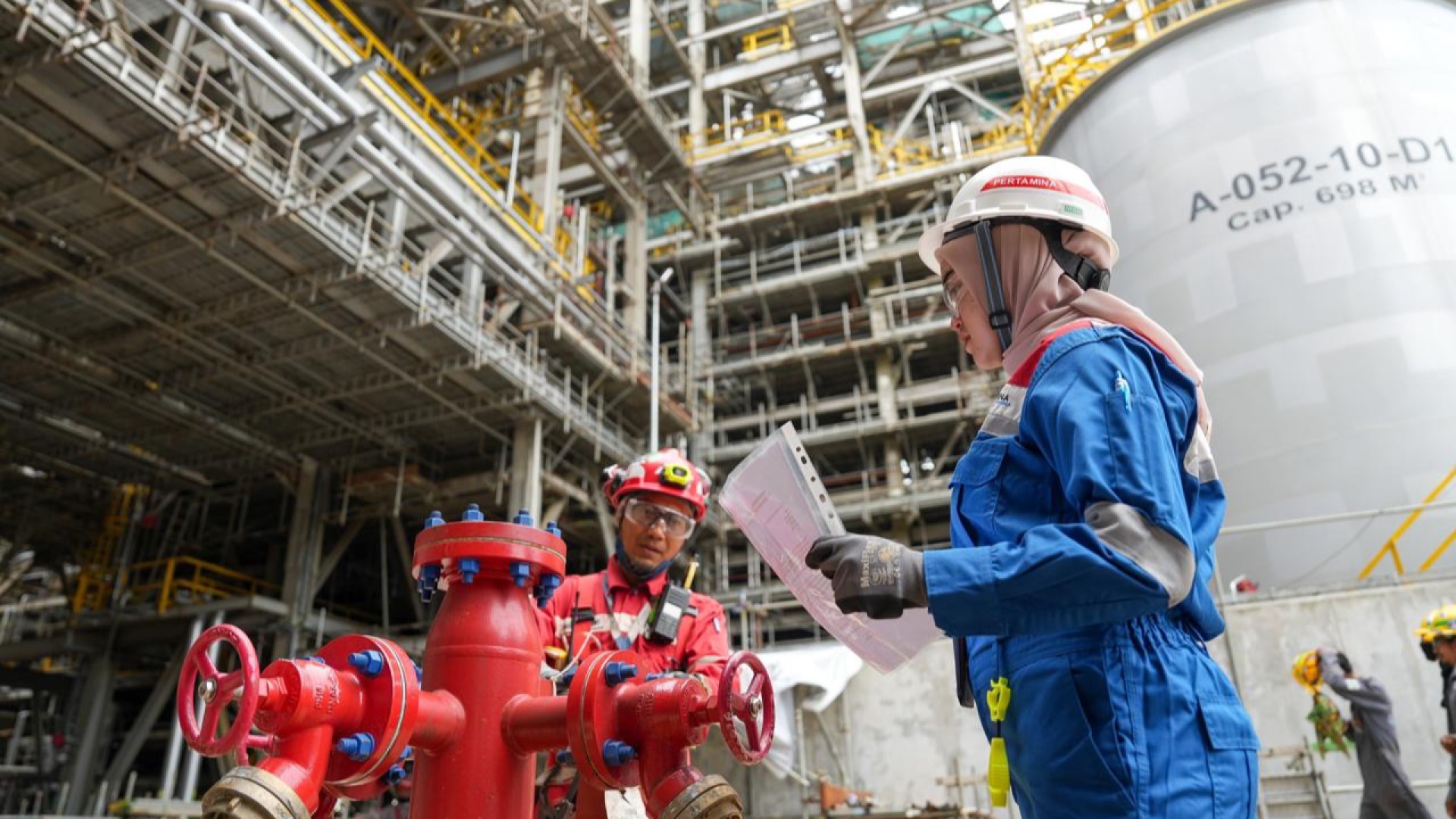
With the commencement of initial operations at the Residual Fluid Catalytic Cracking (RFCC) Complex, PT Kilang Pertamina Balikpapan (KPB) is strengthening safety measures by implementing a modern integrated fire protection system throughout the Balikpapan Refinery Development Master Plan (RDMP) Project area.
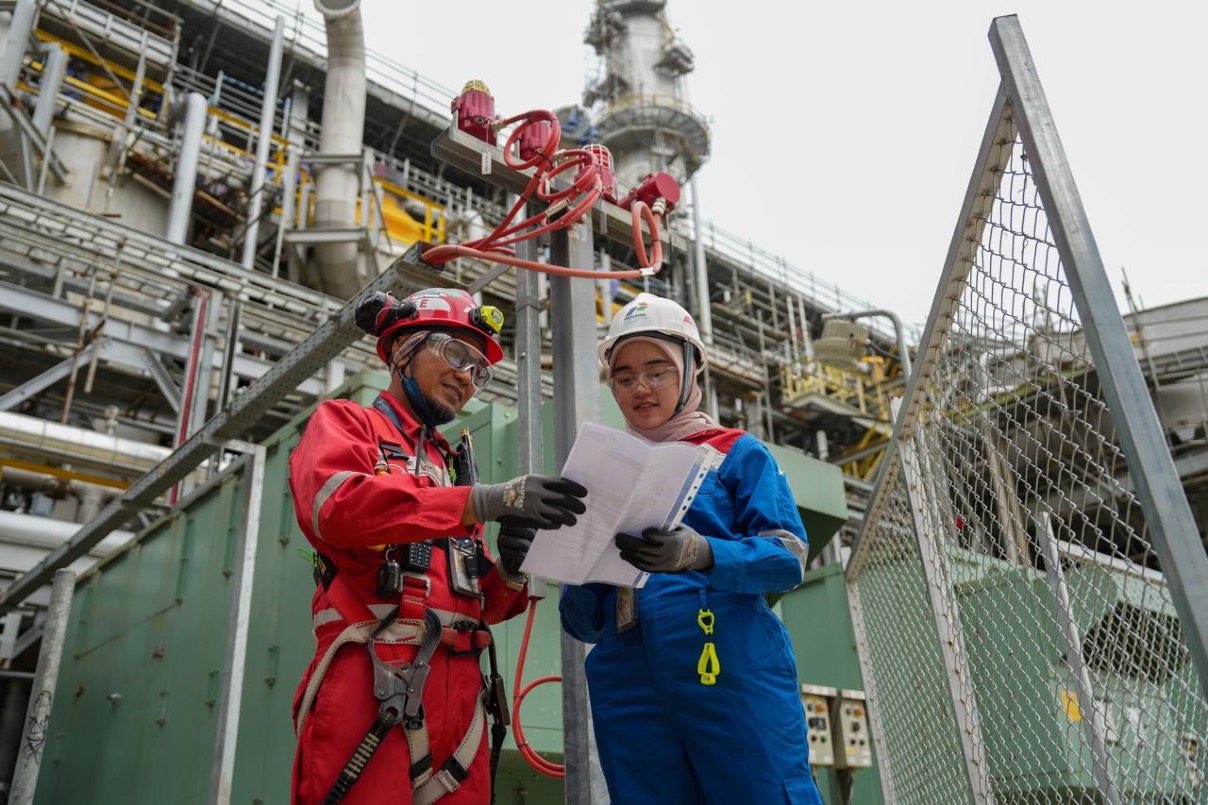
This system is an important part of safe operational readiness at the refinery, which is entering a crucial phase. By combining gas detection, fire alarms, and automatic extinguishing in a single control network, 3,954 protection points are now actively monitoring the refinery area in real time.
“Safety is a top priority in every stage of the Balikpapan RDMP project, including when starting up the RFCC unit. We ensure that every potential hazard can be detected and handled quickly, accurately, and measurably,” said Asep Sulaeman, Vice President of Legal & Relations at PT KPB.
One of the main systems used is the Fire Gas Detection System (FGDS), which is capable of detecting potential fires even in extreme environments. This system relies on Flame Detectors to detect flames through infrared (IR) and ultraviolet (UV) rays, as well as Fixed Gas Detectors that detect flammable gases such as hydrocarbons, hydrogen, ammonia, and carbon monoxide.
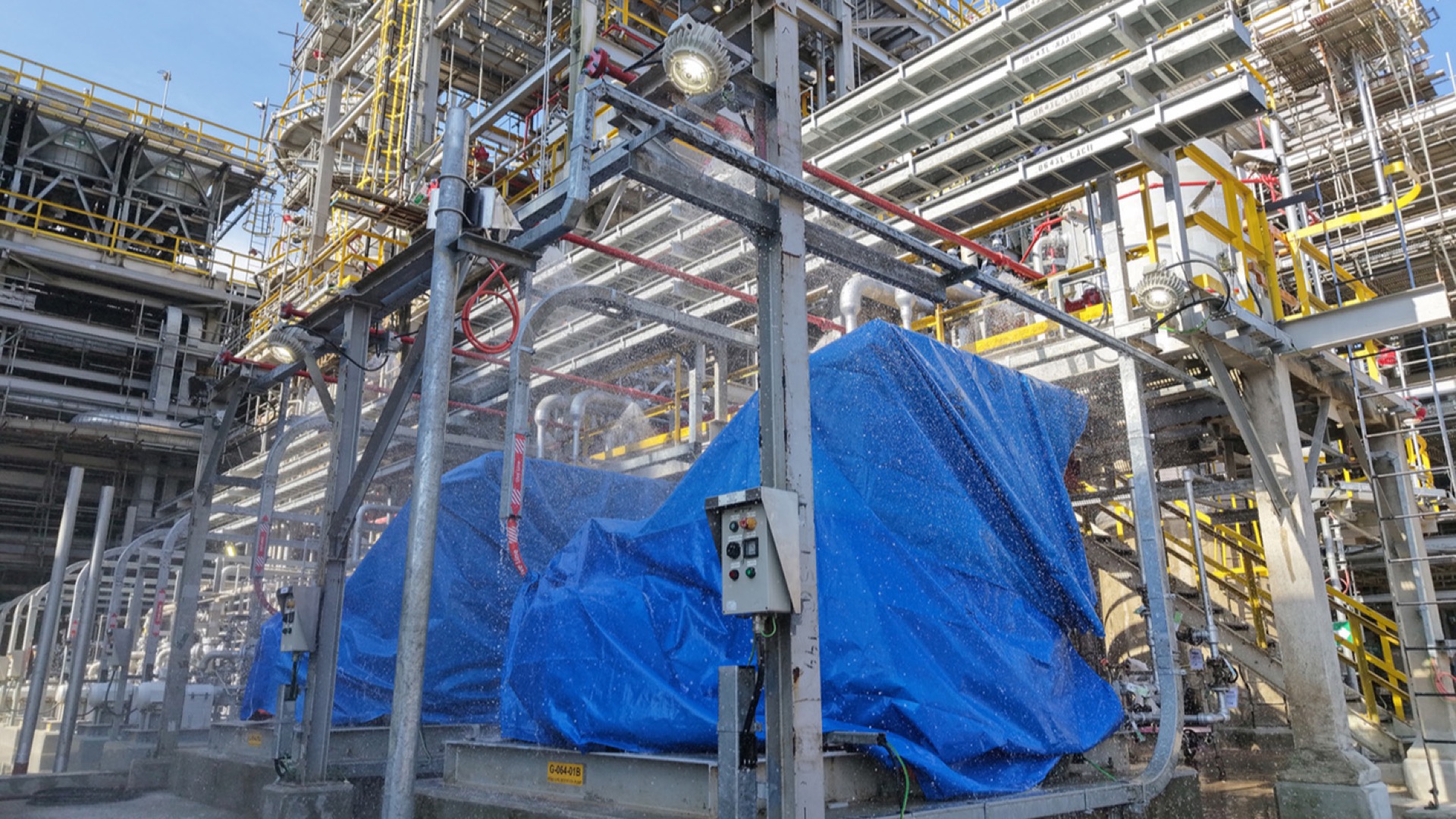
As an active extinguishing measure, KPB also implements an FM-200 gas-based automatic fire suppression system, a technology that can extinguish fires quickly without leaving residue or damaging electronic equipment. This system is environmentally friendly and designed to protect important areas in the refinery.
All monitoring and control mechanisms are integrated through the Main Control Room (MCR), where operators can directly monitor detection, alarms, and CCTV feeds.
“To support firefighting in open areas, the equipment is also equipped with Fire Extinguishers (APAR), hydrants, water hoses, Fire Trucks, and foam spraying systems,” added Asep.
In addition to active protection, the steel structures in the refinery area are coated with heat-resistant material as passive protection to slow down the spread of fire and provide safer evacuation time for workers.
“We designed this system in layers so that every potential hazard can be responded to from various angles, starting from early detection, rapid warning, to automatic firefighting,” explained Asep.
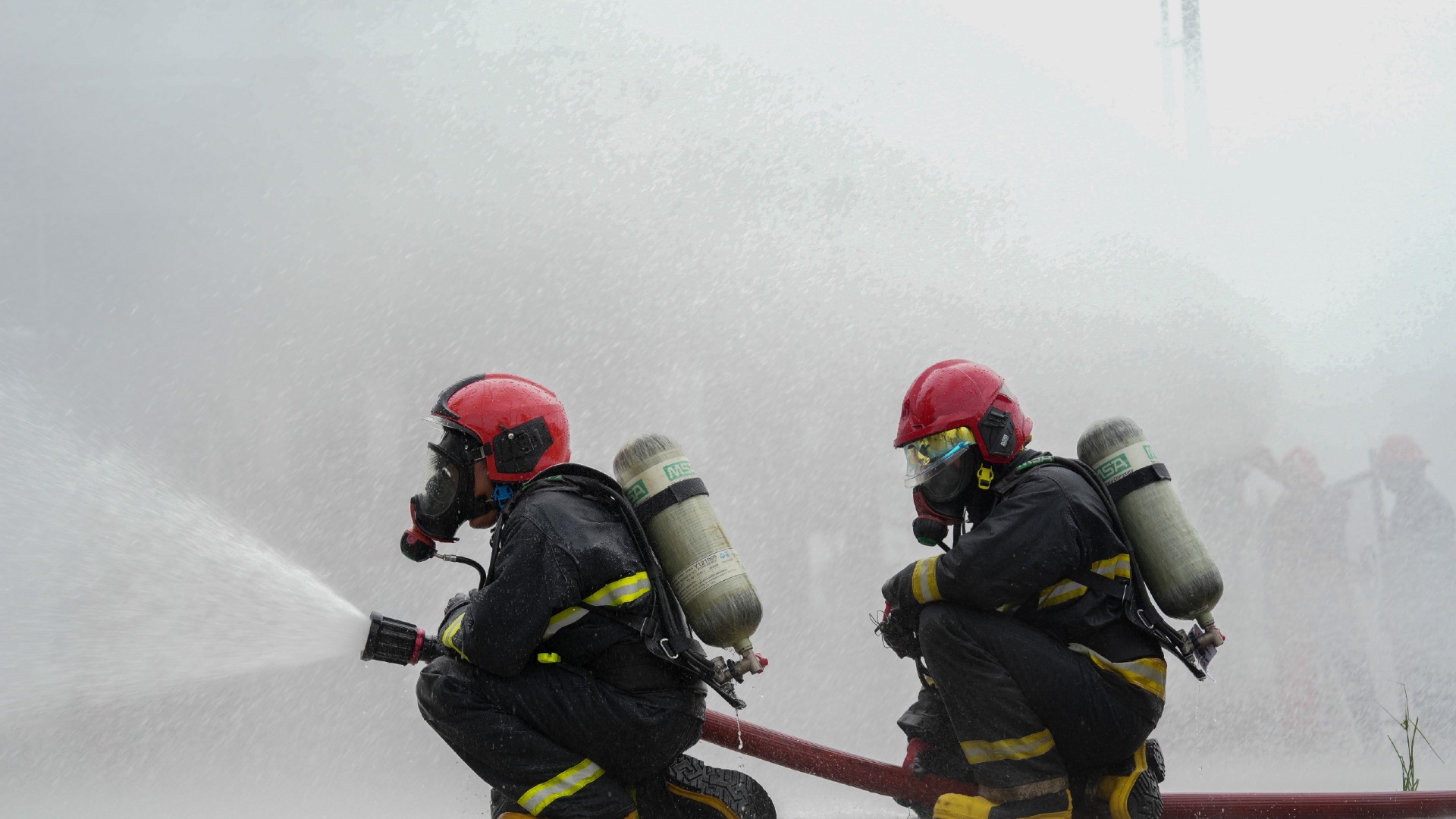
To ensure the system's readiness, PT KPB also conducted an emergency response drill in the RFCC Complex area, simulating a potential incident involving a high-pressure gas compressor containing flammable hydrocarbons. This simulation included firefighting and victim evacuation scenarios, involving the operations and HSSE teams.
The exercise aims to ensure the reliability of the safety system and the speed of personnel response, especially in areas that will be at the heart of increasing refinery profitability through the processing of residues into high-value products.
The implementation of this Fire System is part of the application of the Process Safety Asset Integrity Management System (PSAIMS), a process safety management system integrated with the reliability and integrity of refinery assets.
This step reinforces KPB's commitment to supporting world-class refinery operations, in line with the National Strategic Project (PSN) target to increase the Balikpapan refinery's capacity from 260 thousand to 360 thousand barrels per day (MBSD).
“With an integrated safety system that adheres to international standards, we are committed to keeping every worker safe, ensuring reliable initial refinery operations, and protecting the surrounding environment,” concluded Asep.